What They Don't Tell You About Solar Panels: Unveiling the Hidden Challenges
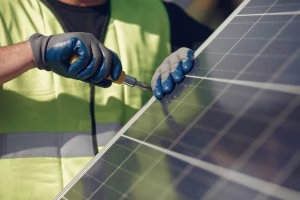
Solar panels are often hailed as the cornerstone of sustainable energy, offering a clean and renewable alternative to fossil fuels. In Nigeria, the allure of solar power is particularly strong, given the country's abundant sunlight and the need for reliable electricity sources. However, beneath the surface of this green technology lies a set of challenges that are seldom discussed. Understanding these issues is crucial for anyone considering the transition to solar energy.
1. High Initial Investment
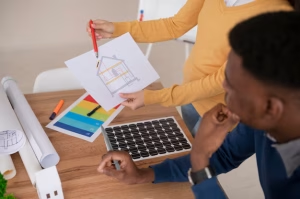
One of the most significant barriers to adopting solar energy is the substantial upfront cost. The installation of solar panels involves expenses related to purchasing the panels, inverters, batteries, and the installation process itself. In Nigeria, these costs can be particularly prohibitive due to import duties and the need for specialized components. While the long-term savings on energy bills are often touted, the initial financial outlay remains a significant consideration for many households and businesses.
2. Intermittency Issues
Solar energy generation is inherently dependent on sunlight, making it an intermittent power source. Factors such as weather conditions, time of day, and seasonal variations can significantly impact energy production. In regions like Abuja, where the rainy season brings extended periods of cloud cover, the efficiency of solar panels can be substantially reduced. This intermittency necessitates the use of energy storage solutions or reliance on grid power during periods of low solar output, further complicating the energy landscape.Conserve Energy Future+2Investopedia+2Solaric Global+2
3. Maintenance and Cleaning Challenges
Maintaining solar panels is essential to ensure optimal performance. In dusty environments, such as those prevalent in many parts of Nigeria, panels can accumulate dirt and debris, leading to reduced efficiency. Regular cleaning is necessary to prevent soiling, which can cause power losses of up to 30% in high-dust areas. However, cleaning can be labor-intensive and, if not done correctly, may damage the panels. Additionally, the use of water for cleaning can be a concern in regions facing water scarcity.Wikipedia
4. Environmental Impact of Manufacturing
While solar panels are considered environmentally friendly during their operational phase, the manufacturing process involves the use of hazardous materials such as cadmium and lead. These substances pose environmental and health risks if not handled and disposed of properly. In Nigeria, where regulatory frameworks for electronic waste management are still developing, the disposal of old or damaged panels could lead to soil and water contamination, undermining the environmental benefits of solar energy.Ecavo+1Next Step Living+1
5. Limited Efficiency Rates
The efficiency of solar panels—the ratio of energy output to sunlight received—varies depending on the technology used. Most commercially available panels convert only about 14% to 22% of the incoming solar energy into usable electricity. This means that a significant portion of the energy is not harnessed, requiring larger installations to meet specific energy needs. In urban areas like Abuja, where space can be limited, achieving the desired energy output may necessitate the installation of numerous panels, which could be impractical.Conserve Energy Future
6. Durability and Lifespan Concerns
Solar panels are designed to last between 20 to 25 years, but their performance can degrade over time. Factors such as exposure to harsh weather conditions, physical damage, and technological obsolescence can affect their longevity. In Nigeria, the combination of high temperatures, humidity, and occasional heavy rains can accelerate wear and tear on solar installations. It's essential to consider the potential costs and logistics of replacing or upgrading panels as they age.
7. Grid Integration and Compatibility Issues
Integrating solar energy systems with the national grid can be complex. Inconsistent grid infrastructure, voltage fluctuations, and compatibility issues between solar inverters and grid systems can lead to inefficiencies and potential system failures. In Nigeria, where the power grid is often unreliable, ensuring that solar installations can seamlessly integrate with existing infrastructure requires careful planning and coordination with local utilities.
8. Potential Health and Safety Risks
While solar panels are generally safe, improper installation and maintenance can pose health and safety risks. For instance, DIY installations have been associated with increased risks of electrical hazards, including fires. Experts warn that unqualified installations can cause faults and grid compatibility issues, leading to severe consequences. It's crucial to engage certified professionals for installation and maintenance to mitigate these risks. Latest news & breaking headlines
9. Disposal and Recycling Challenges
As the global adoption of solar energy grows, so does the issue of solar panel waste. Experts warn that solar panel waste will reach crisis levels in the next two to three years, earlier than previously anticipated. The disposal of panels containing hazardous materials poses significant environmental challenges, especially in regions lacking proper recycling infrastructure. In Nigeria, establishing effective recycling programs is essential to prevent environmental contamination and promote the sustainable use of solar technology. The Guardian
10. Financial and Service Provider Reliability
The solar industry in Nigeria is still developing, and consumers may encounter challenges related to the reliability of service providers. Issues such as inadequate customer support, lack of maintenance services, and financial instability of solar companies can leave consumers with malfunctioning systems and limited recourse. It's essential to thoroughly research and select reputable providers to ensure that warranties and service agreements are honored.time.com
Conclusion
While solar panels present a promising solution to Nigeria's energy challenges, it's essential to approach their adoption with a clear understanding of the associated issues. High initial costs, maintenance challenges, environmental concerns, and system inefficiencies are among the factors that require careful consideration. By acknowledging these challenges and proactively addressing them, consumers can make informed decisions and contribute to the sustainable integration of solar energy into Nigeria's power landscape.

News Highlight: Solar Panel Waste Concerns

What They Don't Tell You About Solar Panels: Unveiling the Hidden Challenges
Solar panels are often hailed as the cornerstone of sustainable energy, offering a clean and renewable alternative to fossil fuels. In Nigeria, the allure of solar power is particularly strong, given the country's abundant sunlight and the need for reliable electricity sources. However, beneath the surface of this green technology lies a set of challenges that are seldom discussed. Understanding these issues is crucial for anyone considering the transition to solar energy.
1. High Initial Investment
One of the most significant barriers to adopting solar energy is the substantial upfront cost. The installation of solar panels involves expenses related to purchasing the panels, inverters, batteries, and the installation process itself. In Nigeria, these costs can be particularly prohibitive due to import duties and the need for specialized components. While the long-term savings on energy bills are often touted, the initial financial outlay remains a significant consideration for many households and businesses.
2. Intermittency Issues
Solar energy generation is inherently dependent on sunlight, making it an intermittent power source. Factors such as weather conditions, time of day, and seasonal variations can significantly impact energy production. In regions like Abuja, where the rainy season brings extended periods of cloud cover, the efficiency of solar panels can be substantially reduced. This intermittency necessitates the use of energy storage solutions or reliance on grid power during periods of low solar output, further complicating the energy landscape.Conserve Energy Future+2Investopedia+2Solaric Global+2
3. Maintenance and Cleaning Challenges
Maintaining solar panels is essential to ensure optimal performance. In dusty environments, such as those prevalent in many parts of Nigeria, panels can accumulate dirt and debris, leading to reduced efficiency. Regular cleaning is necessary to prevent soiling, which can cause power losses of up to 30% in high-dust areas. However, cleaning can be labor-intensive and, if not done correctly, may damage the panels. Additionally, the use of water for cleaning can be a concern in regions facing water scarcity.Wikipedia
4. Environmental Impact of Manufacturing
While solar panels are considered environmentally friendly during their operational phase, the manufacturing process involves the use of hazardous materials such as cadmium and lead. These substances pose environmental and health risks if not handled and disposed of properly. In Nigeria, where regulatory frameworks for electronic waste management are still developing, the disposal of old or damaged panels could lead to soil and water contamination, undermining the environmental benefits of solar energy.Ecavo+1Next Step Living+1
5. Limited Efficiency Rates
The efficiency of solar panels—the ratio of energy output to sunlight received—varies depending on the technology used. Most commercially available panels convert only about 14% to 22% of the incoming solar energy into usable electricity. This means that a significant portion of the energy is not harnessed, requiring larger installations to meet specific energy needs. In urban areas like Abuja, where space can be limited, achieving the desired energy output may necessitate the installation of numerous panels, which could be impractical.Conserve Energy Future
6. Durability and Lifespan Concerns
Solar panels are designed to last between 20 to 25 years, but their performance can degrade over time. Factors such as exposure to harsh weather conditions, physical damage, and technological obsolescence can affect their longevity. In Nigeria, the combination of high temperatures, humidity, and occasional heavy rains can accelerate wear and tear on solar installations. It's essential to consider the potential costs and logistics of replacing or upgrading panels as they age.
7. Grid Integration and Compatibility Issues
Integrating solar energy systems with the national grid can be complex. Inconsistent grid infrastructure, voltage fluctuations, and compatibility issues between solar inverters and grid systems can lead to inefficiencies and potential system failures. In Nigeria, where the power grid is often unreliable, ensuring that solar installations can seamlessly integrate with existing infrastructure requires careful planning and coordination with local utilities.
8. Potential Health and Safety Risks
While solar panels are generally safe, improper installation and maintenance can pose health and safety risks. For instance, DIY installations have been associated with increased risks of electrical hazards, including fires. Experts warn that unqualified installations can cause faults and grid compatibility issues, leading to severe consequences. It's crucial to engage certified professionals for installation and maintenance to mitigate these risks. Latest news & breaking headlines
9. Disposal and Recycling Challenges
As the global adoption of solar energy grows, so does the issue of solar panel waste. Experts warn that solar panel waste will reach crisis levels in the next two to three years, earlier than previously anticipated. The disposal of panels containing hazardous materials poses significant environmental challenges, especially in regions lacking proper recycling infrastructure. In Nigeria, establishing effective recycling programs is essential to prevent environmental contamination and promote the sustainable use of solar technology. The Guardian
10. Financial and Service Provider Reliability
The solar industry in Nigeria is still developing, and consumers may encounter challenges related to the reliability of service providers. Issues such as inadequate customer support, lack of maintenance services, and financial instability of solar companies can leave consumers with malfunctioning systems and limited recourse. It's essential to thoroughly research and select reputable providers to ensure that warranties and service agreements are honored.time.com
Conclusion
While solar panels present a promising solution to Nigeria's energy challenges, it's essential to approach their adoption with a clear understanding of the associated issues. High initial costs, maintenance challenges, environmental concerns, and system inefficiencies are among the factors that require careful consideration. By acknowledging these challenges and proactively addressing them, consumers can make informed decisions and contribute to the sustainable integration of solar energy into Nigeria's power landscape.
News Highlight: Solar Panel Waste Concerns
What They Don't Tell You About Solar Panels: Unveiling the Hidden Challenges
Solar panels are often hailed as the cornerstone of sustainable energy, offering a clean and renewable alternative to fossil fuels. In Nigeria, the allure of solar power is particularly strong, given the country's abundant sunlight and the need for reliable electricity sources. However, beneath the surface of this green technology lies a set of challenges that are seldom discussed. Understanding these issues is crucial for anyone considering the transition to solar energy.
1. High Initial Investment
One of the most significant barriers to adopting solar energy is the substantial upfront cost. The installation of solar panels involves expenses related to purchasing the panels, inverters, batteries, and the installation process itself. In Nigeria, these costs can be particularly prohibitive due to import duties and the need for specialized components. While the long-term savings on energy bills are often touted, the initial financial outlay remains a significant consideration for many households and businesses.
2. Intermittency Issues
Solar energy generation is inherently dependent on sunlight, making it an intermittent power source. Factors such as weather conditions, time of day, and seasonal variations can significantly impact energy production. In regions like Abuja, where the rainy season brings extended periods of cloud cover, the efficiency of solar panels can be substantially reduced. This intermittency necessitates the use of energy storage solutions or reliance on grid power during periods of low solar output, further complicating the energy landscape.Conserve Energy Future+2Investopedia+2Solaric Global+2
3. Maintenance and Cleaning Challenges
Maintaining solar panels is essential to ensure optimal performance. In dusty environments, such as those prevalent in many parts of Nigeria, panels can accumulate dirt and debris, leading to reduced efficiency. Regular cleaning is necessary to prevent soiling, which can cause power losses of up to 30% in high-dust areas. However, cleaning can be labor-intensive and, if not done correctly, may damage the panels. Additionally, the use of water for cleaning can be a concern in regions facing water scarcity.Wikipedia
4. Environmental Impact of Manufacturing
While solar panels are considered environmentally friendly during their operational phase, the manufacturing process involves the use of hazardous materials such as cadmium and lead. These substances pose environmental and health risks if not handled and disposed of properly. In Nigeria, where regulatory frameworks for electronic waste management are still developing, the disposal of old or damaged panels could lead to soil and water contamination, undermining the environmental benefits of solar energy.Ecavo+1Next Step Living+1
5. Limited Efficiency Rates
The efficiency of solar panels—the ratio of energy output to sunlight received—varies depending on the technology used. Most commercially available panels convert only about 14% to 22% of the incoming solar energy into usable electricity. This means that a significant portion of the energy is not harnessed, requiring larger installations to meet specific energy needs. In urban areas like Abuja, where space can be limited, achieving the desired energy output may necessitate the installation of numerous panels, which could be impractical.Conserve Energy Future
6. Durability and Lifespan Concerns
Solar panels are designed to last between 20 to 25 years, but their performance can degrade over time. Factors such as exposure to harsh weather conditions, physical damage, and technological obsolescence can affect their longevity. In Nigeria, the combination of high temperatures, humidity, and occasional heavy rains can accelerate wear and tear on solar installations. It's essential to consider the potential costs and logistics of replacing or upgrading panels as they age.
7. Grid Integration and Compatibility Issues
Integrating solar energy systems with the national grid can be complex. Inconsistent grid infrastructure, voltage fluctuations, and compatibility issues between solar inverters and grid systems can lead to inefficiencies and potential system failures. In Nigeria, where the power grid is often unreliable, ensuring that solar installations can seamlessly integrate with existing infrastructure requires careful planning and coordination with local utilities.
8. Potential Health and Safety Risks
While solar panels are generally safe, improper installation and maintenance can pose health and safety risks. For instance, DIY installations have been associated with increased risks of electrical hazards, including fires. Experts warn that unqualified installations can cause faults and grid compatibility issues, leading to severe consequences. It's crucial to engage certified professionals for installation and maintenance to mitigate these risks. Latest news & breaking headlines
9. Disposal and Recycling Challenges
As the global adoption of solar energy grows, so does the issue of solar panel waste. Experts warn that solar panel waste will reach crisis levels in the next two to three years, earlier than previously anticipated. The disposal of panels containing hazardous materials poses significant environmental challenges, especially in regions lacking proper recycling infrastructure. In Nigeria, establishing effective recycling programs is essential to prevent environmental contamination and promote the sustainable use of solar technology. The Guardian
10. Financial and Service Provider Reliability
The solar industry in Nigeria is still developing, and consumers may encounter challenges related to the reliability of service providers. Issues such as inadequate customer support, lack of maintenance services, and financial instability of solar companies can leave consumers with malfunctioning systems and limited recourse. It's essential to thoroughly research and select reputable providers to ensure that warranties and service agreements are honored.time.com
Conclusion
While solar panels present a promising solution to Nigeria's energy challenges, it's essential to approach their adoption with a clear understanding of the associated issues. High initial costs, maintenance challenges, environmental concerns, and system inefficiencies are among the factors that require careful consideration. By acknowledging these challenges and proactively addressing them, consumers can make informed decisions and contribute to the sustainable integration of solar energy into Nigeria's power landscape.
News Highlight: Solar Panel Waste Concerns