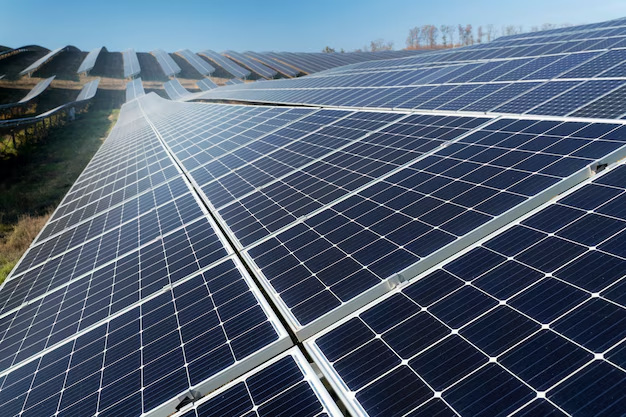
With solar panel installation, this isn’t just a dream—it’s a reality for millions who’ve embraced clean, renewable energy. Whether you're tired of rising electricity costs or passionate about sustainability, solar panels offer a long-term solution that pays off financially and environmentally. But where do you start? This guide walks you through every detail, step by step.
What is Solar Energy?
Solar energy is power derived from the sun’s rays. Solar panels, made up of photovoltaic (PV) cells, capture sunlight and convert it into usable electricity. This electricity can power your home, be stored in batteries for later use, or even be fed back into the local power grid.
Why Install Solar Panels?
Lower Electricity Bills: A solar system can significantly reduce or even eliminate your monthly energy bill.
Return on Investment: Most homeowners recover their investment within 6 to 10 years, and the panels continue to generate free electricity long after that.
Increase in Property Value: Homes equipped with solar panels often sell faster and at higher prices.
Environmental Benefits: Solar power is clean and renewable, reducing carbon emissions and helping fight climate change.
Low Maintenance: With no moving parts, solar panels require very little maintenance.
Incentives and Rebates: Many governments and utilities offer tax credits, rebates, and financing programs to reduce the initial cost of installation.
Types of Solar Panels
Monocrystalline Panels
These are made from single-crystal silicon, offering the highest efficiency (18–22%). They’re ideal for homes with limited roof space and have a sleek black appearance.
Polycrystalline Panels
Made from multiple silicon fragments melted together, these panels are more affordable but slightly less efficient (15–17%). They have a blue tint and are suitable for homes with larger roof areas.
Thin-Film Panels
Lightweight and flexible, these panels are made from materials like cadmium telluride. They have the lowest efficiency (10–12%) but are easy to install and cost-effective for commercial buildings or large, flat rooftops.
Is Your Home Suitable for Solar?
Roof Direction and Tilt: In the northern hemisphere, south-facing roofs receive the most sunlight throughout the year. Ideal roof angles range between 15° and 40°.
Shade and Obstructions: Nearby trees, buildings, chimneys, or even roof vents can block sunlight. Your roof should receive at least 5–6 hours of direct sunlight daily for optimal performance.
Roof Condition: The roof should be in good shape—preferably less than 10 years old—to support solar panels. If your roof needs replacement soon, it’s wise to do it before installing panels.
Roof Space: The average 5kW residential system requires 300–400 square feet of usable roof area.
How Many Solar Panels Do You Need?
To estimate how many solar panels you need, calculate your household’s average electricity consumption and your location’s average sunlight hours.
For example, if your monthly electricity usage is 900 kWh and your area receives 5 sun hours per day, you’ll likely need a 6kW system. Depending on panel wattage (typically 300–400W), this translates to roughly 15–20 panels.
Your solar installer will provide a more precise assessment based on local conditions, shading, and energy goals.
Key Components of a Solar Power System
Solar Panels
These are the main units that convert sunlight into electricity.
Inverter
The inverter converts the direct current (DC) from panels into alternating current (AC) used by your appliances.
Battery Storage (Optional)
Batteries store excess electricity for use at night or during power outages, offering more energy independence.
Mounting System
This hardware secures the panels to your roof or ground structure.
Charge Controller (in off-grid systems)
It regulates battery charging to prevent overcharging and improve battery life.
Monitoring System
Many systems offer apps or dashboards to track power production, consumption, and efficiency in real time.
Types of Solar Power Systems
Grid-Tied System
Connected to the local electricity grid, this setup allows you to draw power from the grid when needed and send excess power back (net metering). It's the most common and cost-effective system.
Off-Grid System
This independent system is not connected to the grid and relies entirely on solar power and batteries. It’s ideal for remote locations or people seeking complete energy independence.
Hybrid System
Combines a grid-tied system with battery storage. You can use solar power, draw from the grid, or tap into stored battery power when needed.
The Solar Installation Process
Site Evaluation
A certified solar installer inspects your roof to assess structure, orientation, shading, and overall feasibility.
System Design and Quotation
Based on your energy needs and roof space, a custom solar design is created. You’ll receive a quote outlining equipment, cost, and estimated savings.
Permit and Paperwork
Your installer handles the permits, utility approvals, and paperwork required by local authorities.
Installation
The crew installs mounts, panels, and inverters. The process typically takes 1–3 days, depending on system size.
Inspection and Interconnection
A final inspection ensures everything meets code and is safely connected. The utility company may also inspect before granting permission to operate.
System Activation
Once approved, your system is turned on, and you begin generating solar electricity!
Cost of Solar Panel Installation
The cost varies depending on system size, location, equipment, and installation complexity.
Average Costs:
- Small system (3kW): $6,000 – $9,000
- Medium system (6kW): $12,000 – $16,000
- Large system (10kW): $18,000 – $25,000
Additional Costs May Include:
- Battery storage: $5,000 – $10,000
- Electrical panel upgrades
- Roof repairs (if needed)
Incentives & Rebates:
- Federal and state tax credits (e.g., 30% ITC in the U.S.)
- Local utility rebates
- Performance-based incentives (e.g., net metering)
After incentives, many homeowners pay 30–50% less than the gross price.
Maintenance and Longevity
Solar panels are durable and designed to withstand wind, rain, and snow. With no moving parts, they require little maintenance.
Maintenance Tips:
- Clean panels once or twice a year to remove dirt, leaves, or bird droppings.
- Monitor system output regularly.
- Schedule professional inspections every 3–5 years.
Expected Lifespan:
- Panels: 25 to 30 years
- Inverters: 10 to 15 years
- Batteries: 5 to 15 years (depending on type)
Most systems come with warranties covering 20–25 years for performance and equipment.
Common Mistakes to Avoid
Skipping Roof Inspection:
Old or weak roofs may not support a solar system. Always inspect and repair before installing.
Underestimating Energy Needs:
Choose a system that meets your current and future needs—especially if you plan to add EVs or new appliances.
Choosing Cheap Equipment:
Quality panels and inverters improve efficiency and reliability. Don’t cut corners.
Ignoring Incentives:
Research and apply for all available government programs, rebates, and credits.
DIY Installation:
Improper installation can void warranties and pose safety risks. Always use licensed professionals.
Government Incentives and Tax Credits
Governments worldwide offer various programs to encourage solar adoption.
United States:
- Federal Investment Tax Credit (ITC): 30% tax credit on system cost
- State Rebates and Solar Renewable Energy Certificates (SRECs)
Canada:
- Canada Greener Homes Grant: Up to $5,000
- Provincial programs in Alberta, Nova Scotia, and others
United Kingdom:
- Smart Export Guarantee (SEG): Earn money for excess power exported to the grid
- Zero VAT on residential solar systems
Nigeria and Sub-Saharan Africa:
- REA (Rural Electrification Agency) programs
- World Bank and donor-funded subsidies for off-grid installations
- Growing incentives from state governments
Check local energy authorities and utility providers for current programs.
Frequently Asked Questions
Do solar panels work during cloudy weather?
Yes, but output decreases by 10–25%. Panels still generate power even without direct sunlight.
Can I go off-grid?
Yes, with enough panels and battery storage. However, it's more expensive and requires careful planning.
Will solar panels power my home during a blackout?
Not unless you have battery storage or a hybrid system. Most grid-tied systems shut off during outages for safety.
How long does installation take?
1 to 3 days for most residential systems, excluding permit and inspection time.
Do I still get a utility bill?
Yes, but often it’s just a minimal grid connection fee. If your system is large enough, energy charges can drop to zero.
Conclusion
Installing solar panels is one of the smartest investments a homeowner can make. With rising energy costs, climate concerns, and increasing incentives, solar energy is more accessible and practical than ever before.
Whether you're aiming to save money, reduce your carbon footprint, or gain energy independence, solar offers a proven, long-term solution.
The sun is shining—why not harness its power?
Get a professional solar assessment today and take your first step toward a brighter, cleaner future.